


Las Casas de Indias
The Indian mints
From 1535 onwards, mints begin to be established in America: Mexico and Santo Domingo, and later in Lima, Potosí, Santa Fe and Bogotá. American silver was shipped to Spain where it was minted, mainly into Spanish dollars, a coin also known as the peso and later on as the duro.
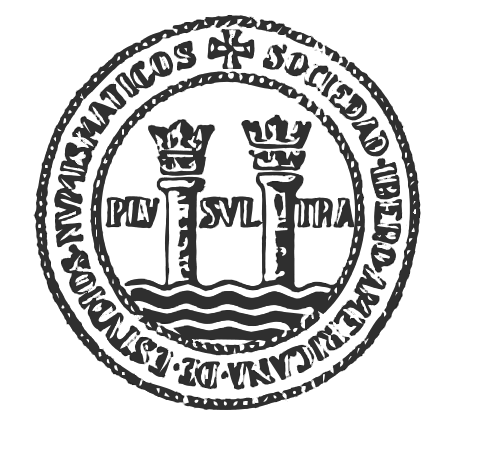
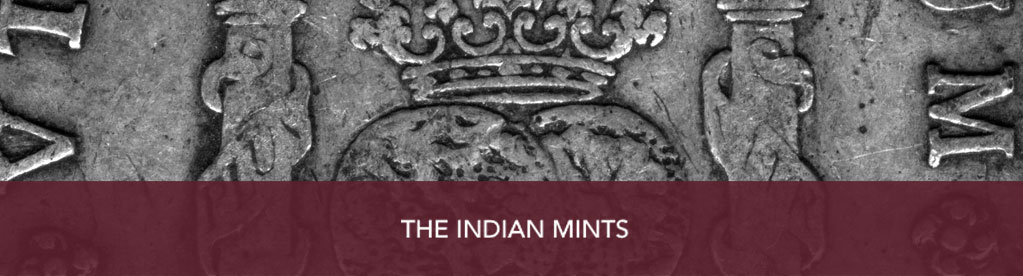
The types of coin were varied, with the notable use of the royal coat of arms, the coat of arms of Castile and Leon and the symbolic composition of the Herculean columns and the motto of Carlos V: PLVS VLTRA.
This is the origin of the famous column design with the image of the two hemispheres, all resting on waves representing the sea, and a new motto: VTRAQUE VNUM. In North American colonies these were known as dollars. The independent United States used the Mexican model of the Spanish dollar to make their own dollar, officially established in 1792.
With the arrival of the Bourbon dynasty, new mints were opened in Guatemala, Popayán and Santiago de Chile.
For more information on the coins of Spanish America, see the interesting audiovisual "Indian Coins".